
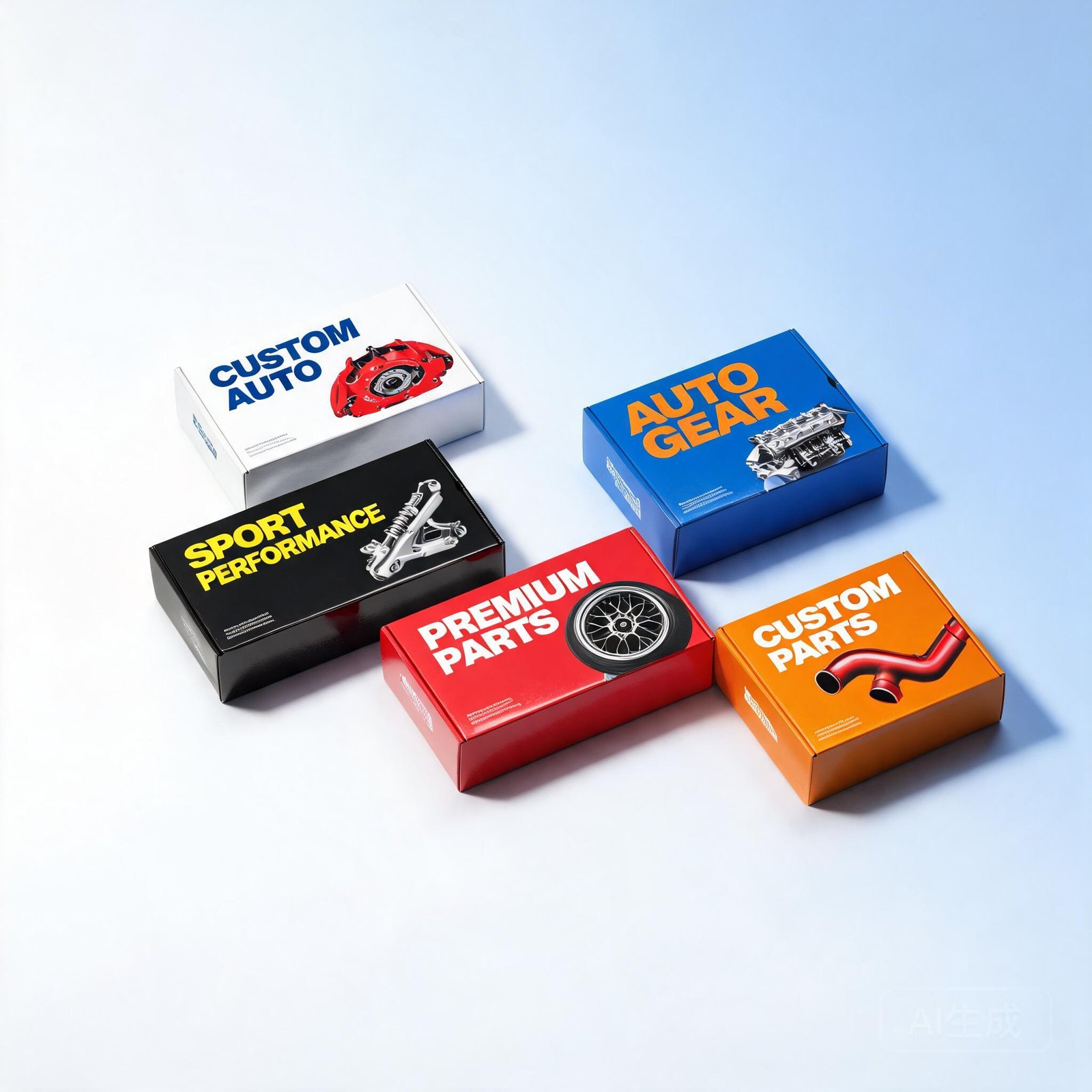
In the automotive aftermarket, the delivery process for core components like steering systems, fuel pumps, and braking sensors is far more complex than most buyers imagine. A single consolidated order for a few hundred SKUs is rarely built in one place - it is assembled across 30 to 50 specialist factories, each producing one product line.
The hard part is not making the parts. The hard part is the packaging. Overseas auto parts buyers - brand owners and large distributors - demand highly customized, branded color boxes. Once those boxes are printed, dozens of packaging items must be split by OE part model and dispatched to the exact factory that builds each part. Run this with spreadsheets and WeChat messages and the process collapses: the wrong carton lands at the wrong factory, color boxes run out mid-production, and shipments stall while someone hunts for the missing artwork.
This is the delivery deadlock FOB Auto Parts was built to break. Our ERP "Color Box One-Click Dispatch" workflow turns packaging distribution from a manual scramble into a controlled, fully traceable, four-step closed loop. This article walks through the actual system - with real screenshots from our ERP - to show exactly how it works, and why packaging-driven complaints from our overseas customers have dropped to zero.
1. The Delivery Deadlock: Three Pain Points in Aftermarket Packaging Dispatch
In traditional foreign-trade coordination, parts production and color box procurement run on two parallel tracks. Before our ERP existed, merchandisers and warehouse managers routinely faced three headaches:
Color boxes for different vehicle models (Toyota, Mitsubishi, Nissan) look nearly identical, differing only in a tiny OE number or process parameter. Manual checking frequently sends the wrong packaging to the wrong factory, and overseas buyers reject and return the shipment.
After a batch of custom color boxes arrives, it must be split among different parts factories or procurement contracts. Done on Excel, this produces wrong splits, missing allocations, and over-dispatches - resulting in "parts ready, no boxes" or "boxes piling up, tying up cash flow."
Packaging procurement contracts, packaging request forms, and shipping registration records are scattered across departments. Information is opaque, and merchandisers spend hours every day on cross-department reconciliation.
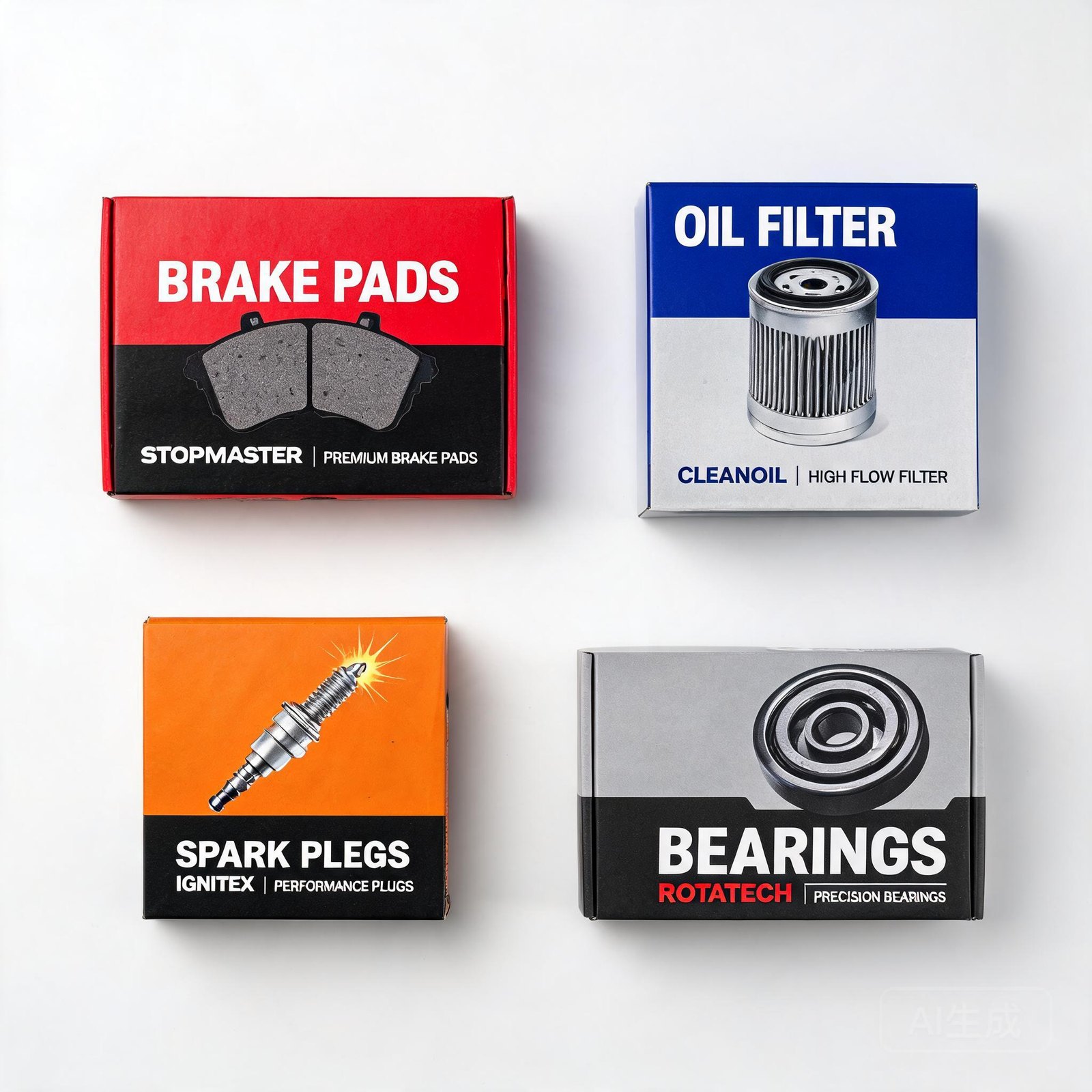
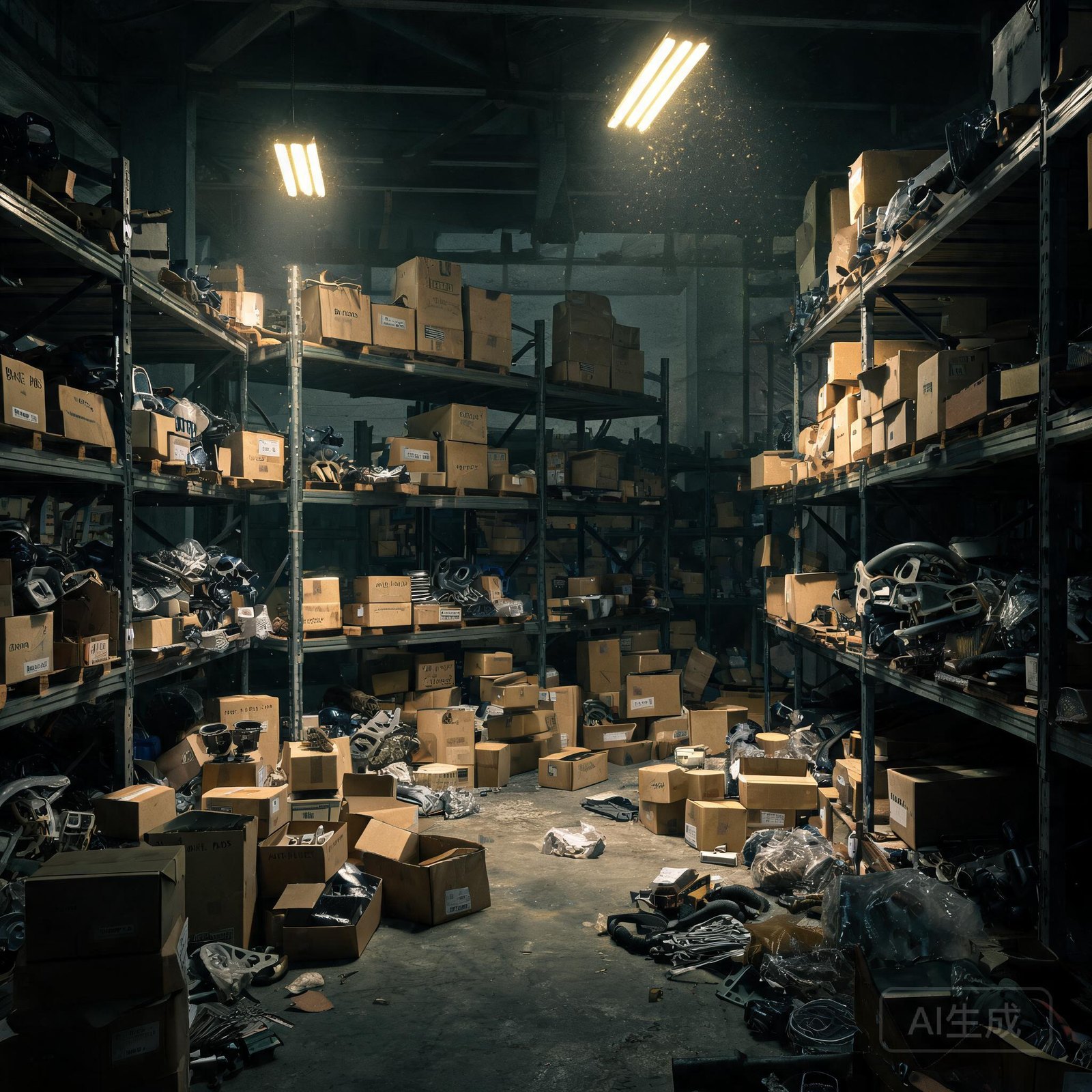
Why traditional methods fail:
A spreadsheet cannot tell you in real time that Factory 17 has used 82% of its allocated color boxes and will run out tomorrow. By the time someone notices, production has already stopped and the shipment date slips - and because color box artwork looks identical across models, the wrong-box error is invisible until the buyer opens the carton overseas.
2. The Breakthrough: A Four-Step Closed Loop from Procurement to Packaged Inbound
To eliminate these pain points, we built a digital artery that connects procurement to dispatch end to end. In our ERP, the "Color Box One-Click Dispatch" process is minimalist and transparent. The entire flow is a rigorous four-step closed loop:
Color box contract established
The packaging procurement contract is created and color box production is completed.
Create a Packaging Dispatch Order (PAS)
The system pulls the linked parts contracts and supplier information automatically.
One-click dispatch
Triggers direct logistics plus a virtual inventory lock on the allocated color boxes.
Parts factory delivery verification
On inbound, the system auto-deducts color box inventory against the packaging BOM.
Because every packaging item is bound to a part model and a factory from day one, the split-and-route decision is no longer a judgment call made under time pressure - it is a query the system answers instantly. Every packaging record carries four mandatory fields:
- Part model: the exact OE SKU the color box fits
- Dimensions: inner-box L x W x H in centimetres, plus carton specs and pack quantity
- Material and finish: corrugated grade, print artwork reference (e.g. BTYPCR standard color), labeling rules
- Target factory: the factory that builds this part and will receive this packaging
3. Three-Dimensional Data Penetration: End the Information Silos
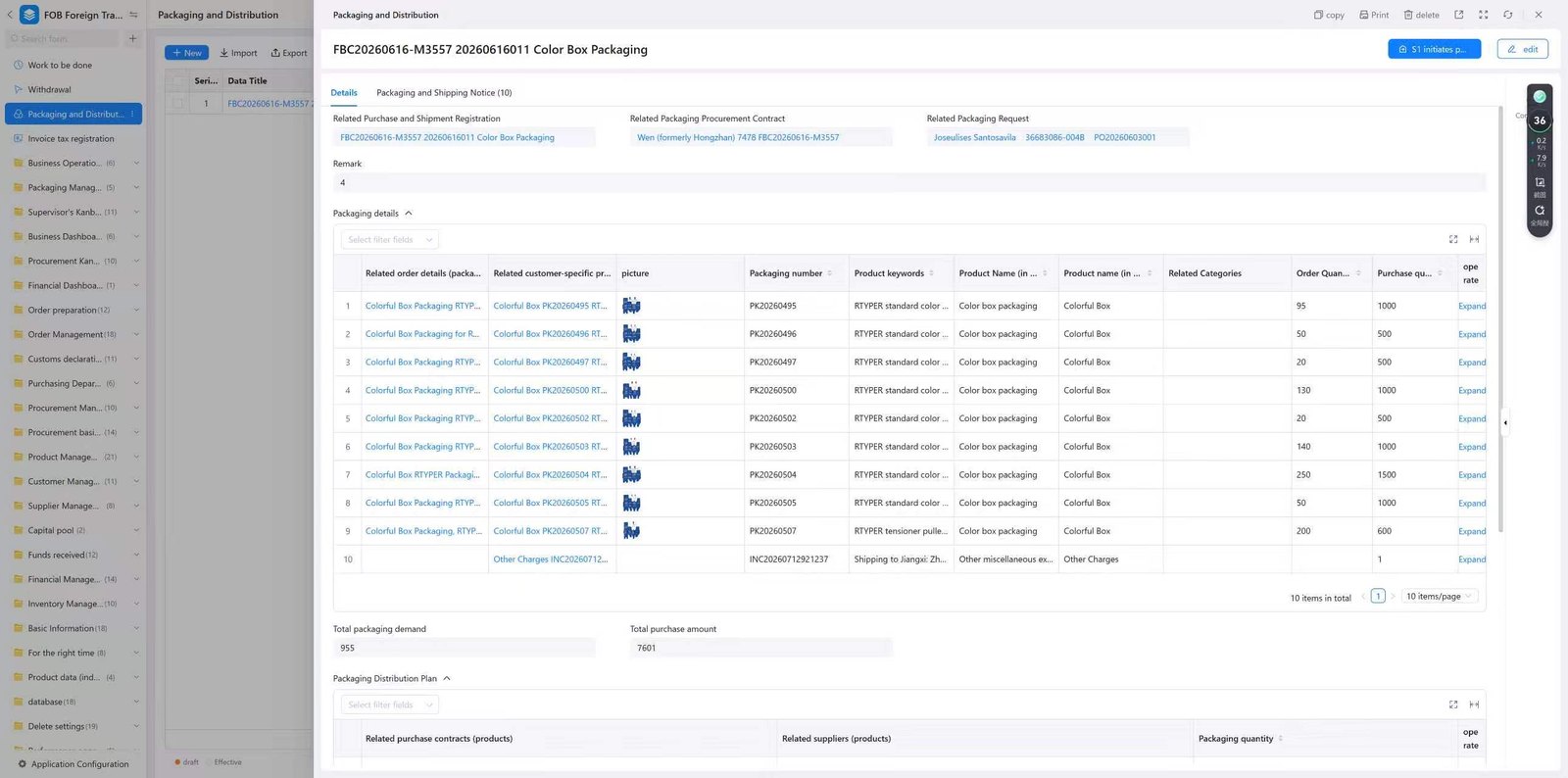
Open any Packaging Dispatch Order in the ERP and the top of the detail page shows three linked business-chain cards. These three source documents are tightly anchored, so every batch of arrived color boxes is verifiable - eliminating information asymmetry at the source:
Related Purchase & Shipment Registration
Records the actual receiving and shipping status of the color boxes, synced with logistics nodes in real time.
Related Packaging Procurement Contract
Anchors the procurement source, pricing terms, and supplier information for the color boxes.
Related Packaging Request
Traces the upstream packaging demand initiation, so every request is traceable to a justification.
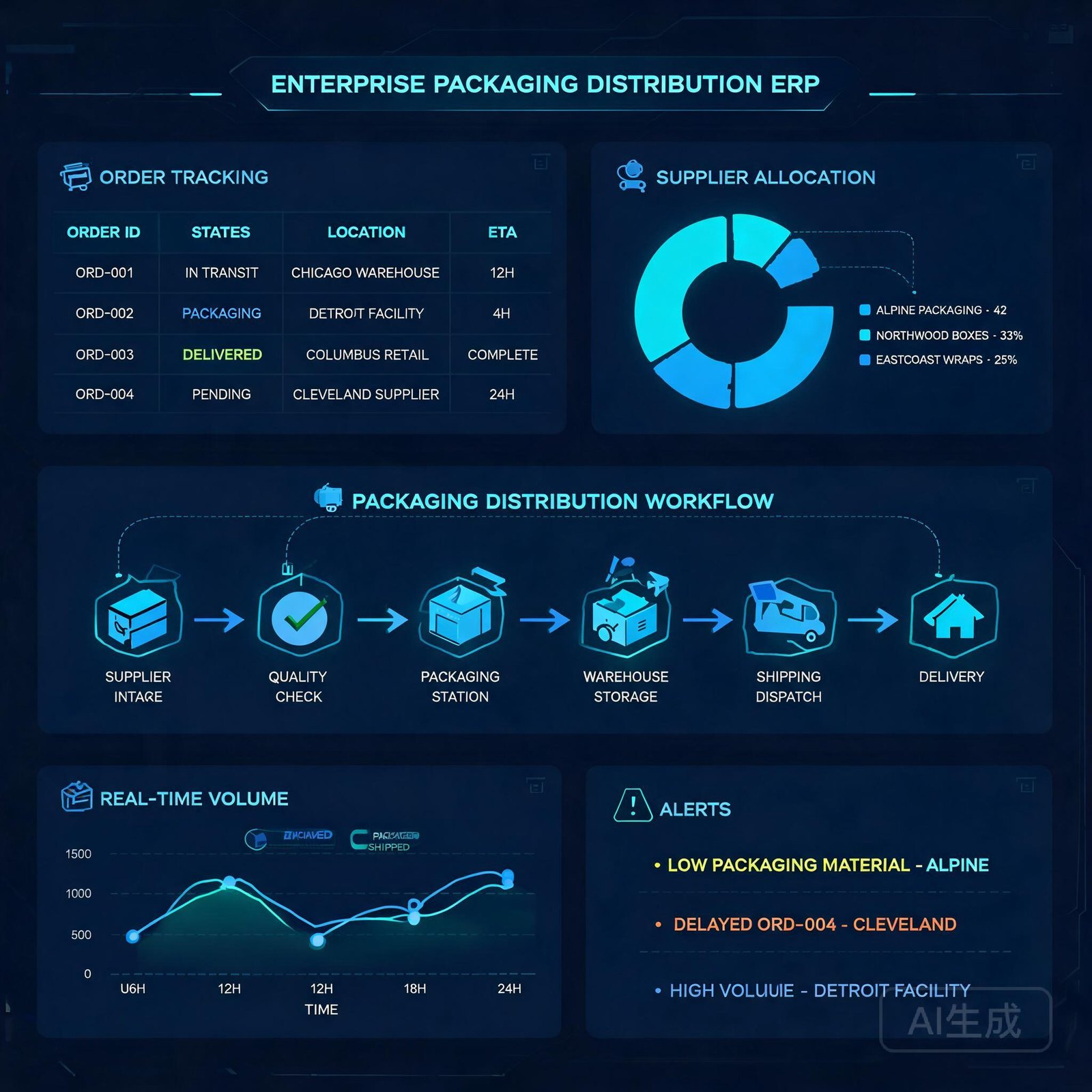
The merchandiser no longer makes daily follow-up calls to the packaging factory and the parts factory. In one second, anyone can see where the packaging currently sits and which contract it has been dispatched to. Tasks that once consumed hours of Excel reconciliation now resolve in minutes.
4. A Fine-Grained Digital Grid: Multi-Dimensional Error Prevention
In the core work area, the Packaging details table structurally organizes customer-specific requirements, packaging numbers (PK numbers), product keywords (e.g. BTYPCR standard color), order quantities, and purchase quantities - so every row of packaging data is traceable and verifiable. Two features directly attack the "wrong box, wrong part" pain point:
- Hover Zoom: because auto parts color box artwork is so similar, a merchandiser simply hovers over the picture column to instantly preview a high-resolution image of the print, eliminating wrong-shipment errors caused by visual fatigue.
- One-Click Expand: click Expand at the row end to deep-dive into the underlying process standard, so every OE part packaging row is precisely correct down to the specification.
The payoff: with image-highlight verification and three-dimensional document anchoring, the overseas complaint rate caused by wrong color box packaging dropped directly to zero.
5. The Four-Step Closed Loop in Detail: From Procurement Contract to Packaged Inbound
The bottom of the dispatch detail page holds the Packaging Distribution Plan. The entire dispatch process forms a rigorous four-step closed loop - and the mechanics of each step are what make "one-click dispatch" real:
Top-Level Anchoring: From Procurement Contract to Allocation Order
When a packaging procurement contract for a large batch of overseas custom color boxes takes effect and goods arrive, the merchandiser no longer manually calculates who gets what. One click creates a Packaging Allocation Order. Based on upstream order ratios and customer-specific requirements, the system locks the allocation share in the cloud - every color box is precisely marked, from the moment it is produced, with its destination parts factory and the matching OE parts batch.
Cross-Border / Cross-Factory Direct Shipping
After the allocation order is confirmed, the system auto-generates the Color Box Shipping Notification - complete with purchase contract number (e.g. FBC20260616-M3557), PK number, product keywords, shipment quantity, and a QR code for traceability. The packaging supplier ships the custom color boxes directly to the product supplier (processing factory). This decentralized path removes the cumbersome flow of materials returning to the trading-company warehouse before re-transshipping, drastically cutting logistics cost and packaging-damage risk.
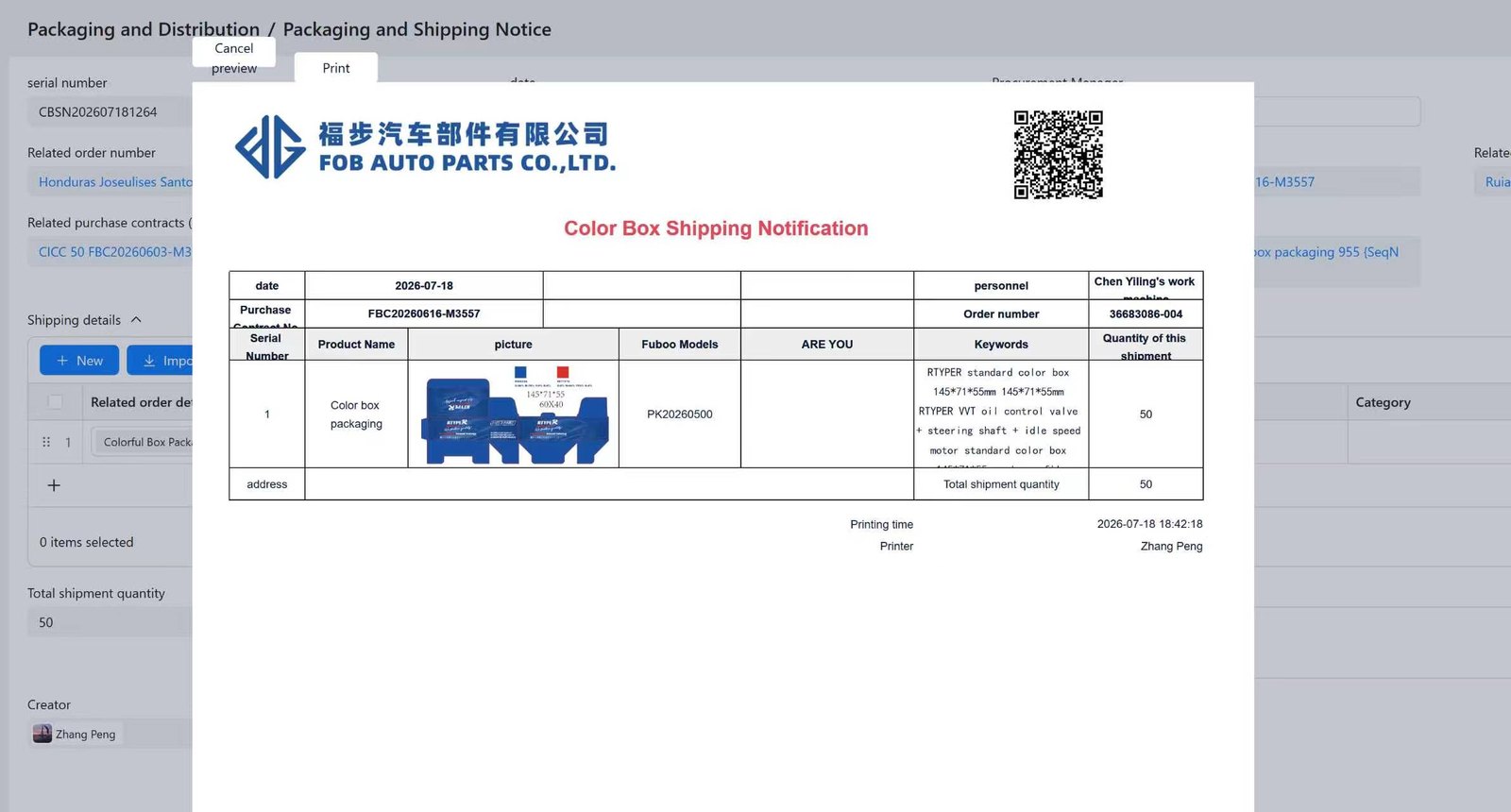
Smart Binding: Product Procurement Contract Real-Time Linkage
When color boxes arrive at the processing factory, assembly and packaging begin. By this point the Product Procurement Contract in the ERP has already completed strong underlying data binding with the earlier Packaging Allocation Order. The backend constantly monitors how many bare parts and how many custom color boxes the factory currently holds, so the two quantities always match.
Perfect Closure: Auto-Deduct and Packaged Inbound
This is the hardest-core digital step. When the product supplier completes assembly and delivers goods to our warehouse for inbound, the system - on receiving the finished-goods inbound instruction - instantly auto-deducts the packaging allocation order inventory under that factory's name, based on the packaging BOM ratio. No warehouse staff need to manually count how many color boxes were consumed or remain. The system reaches the final state of "finished goods inbound with packaging," with finance, inventory, and procurement accounts unified into one.
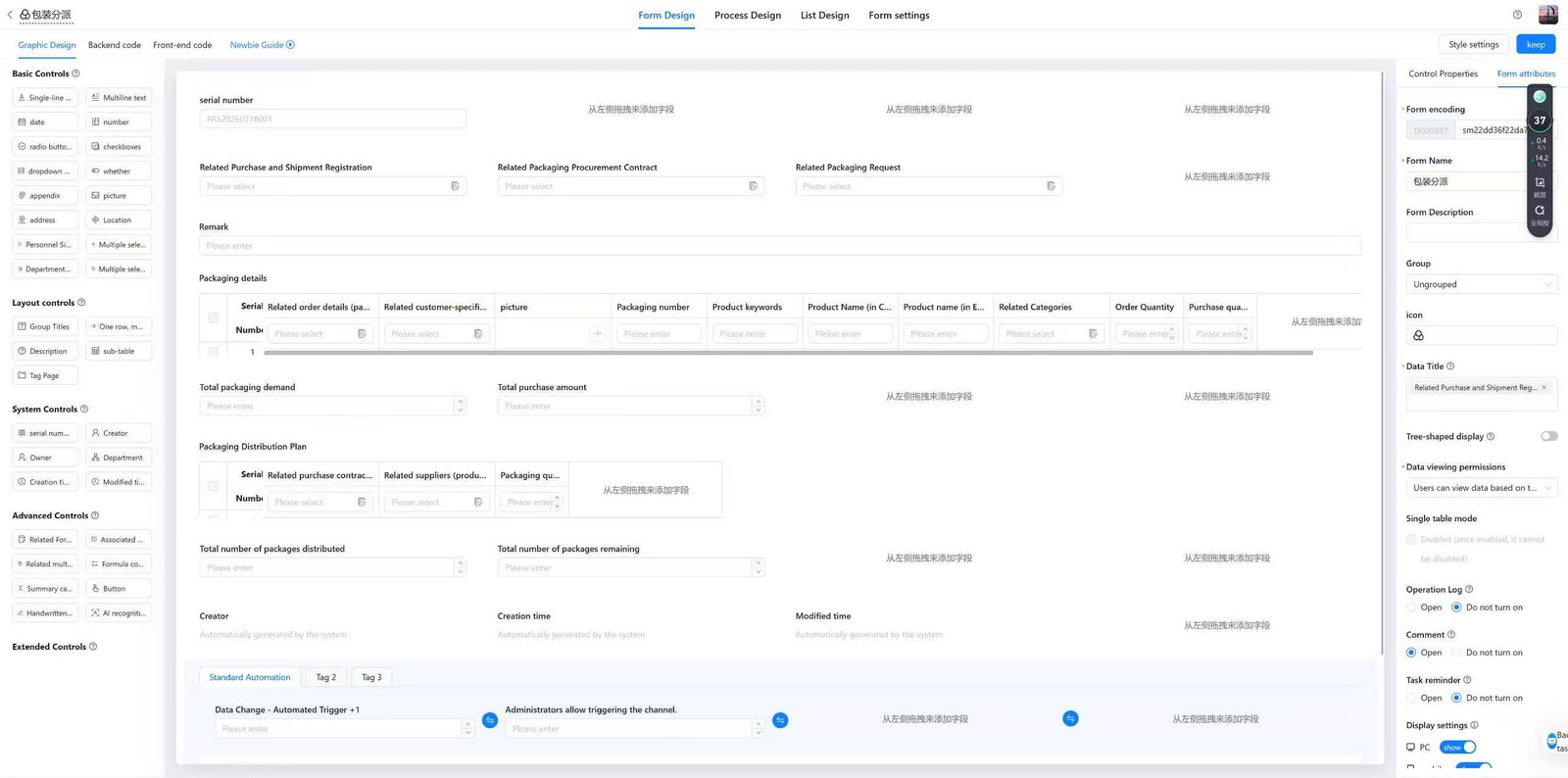
One-click smart dispatch algorithm: based on upstream parts order ratios and historical supplier partnerships, the system auto pre-fills the linked product contracts, suppliers, and packaging quantities - then renders Total packaging demand and Total purchase amount in real time, with clear currency specification. Manual entry workload drops dramatically.
6. Packaging Inventory Management Without the Chaos
Custom-printed color boxes are expensive and slow to reprint, so running out mid-order is costly - but over-ordering ties up cash in cartons that may sit unused. The ERP balances both with the "initiate allocation order to lock, then auto-deduct on inbound" closed loop and real-time inventory thresholds.
Every packaging SKU carries a minimum and maximum stock level, and each processing factory's remaining color box inventory is always precisely transparent in the ERP. The system continuously compares actual stock against these thresholds:
- Below minimum: a replenishment alert fires, with the suggested reprint quantity and lead time, so a new print run starts before stock hits zero.
- Above maximum: new packaging orders for that SKU are paused until stock falls back into range.
- Real-time consumption: each factory reports packaging used against parts produced, so stock figures update as production happens, not at month-end - and finance, inventory, and procurement accounts stay unified.
7. What This Means for Importers and Distributors
By fully deploying the ERP "Color Box One-Click Dispatch" system, FOB Auto Parts has built solid digital trust with partner factories and overseas customers. For a buyer, the difference is felt in four places:
- Accounts vs. reality, finally matching: how much packaging was sent, used, and lost at each factory is no longer a muddled account. Through the allocation-lock to inbound-auto-deduct loop, remaining color box inventory at every processing factory is precisely transparent in the ERP - and packaging-error-driven overseas complaints have dropped to zero.
- On-time shipment: packaging is never the bottleneck, because it is locked and routed before production starts - a process that used to absorb days of back-and-forth now runs in hours.
- Consistent branding: the same artwork, dimensions, and labeling appear on every batch, because the spec is stored as a client-exclusive template and reused - not re-interpreted each time.
- Healthier capital coordination: total packaging demand, procurement amounts, and finished-goods inbound are perfectly linked, so enterprises control packaging procurement frequency against production rhythm and refuse to let material buildup tie up working capital.
Behind the scenes, what looks like a single coordinated shipment is the output of a system that has already done the hard work of matching hundreds of color boxes to hundreds of OE parts across dozens of factories.
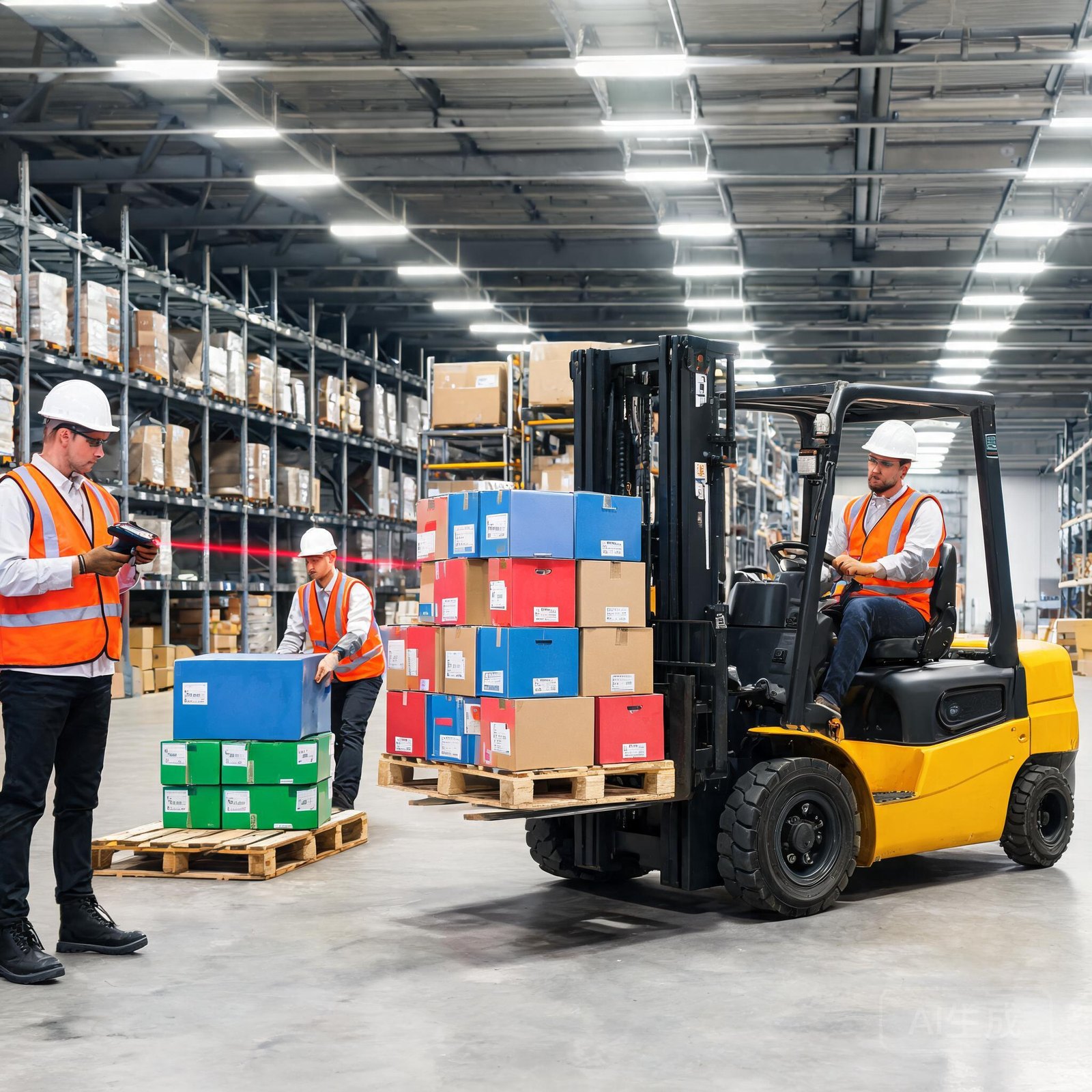
8. The FOB Auto Parts Approach in One Sentence
We turn color box dispatch into data: every box knows its OE model and its factory - so allocation, direct shipping, and auto-deduct on inbound happen automatically instead of by hand.

Frequently Asked Questions
Why is packaging so hard to manage for a multi-factory auto parts order?
A single consolidated order can involve hundreds of SKUs made across 30 to 50 factories. Once custom color boxes are printed, every carton, inner box, and label must be matched to the exact OE part model, then routed to the factory that builds that part. Doing this by spreadsheet and email creates mismatches, missing stock, and shipment delays. Color box artwork for different models (Toyota, Mitsubishi, Nissan) looks nearly identical, so the wrong-box error is invisible until the buyer opens the carton overseas.
What is ERP "Color Box One-Click Dispatch"?
It is a four-step closed-loop workflow. A color box procurement contract is created, a Packaging Dispatch Order (PAS) auto-pulls the linked parts contracts and suppliers, one-click dispatch triggers direct shipment to the right product factory plus a virtual inventory lock, and when finished goods come inbound the system auto-deducts color box inventory against the packaging BOM - with finance, inventory, and procurement accounts unified.
How does FOB Auto Parts prevent the wrong color box going to the wrong factory?
Each packaging item is recorded in the ERP with the OE part model, inner-box dimensions (L x W x H), material, print artwork reference, and target factory. The system anchors three source documents (shipment registration, procurement contract, packaging request) on the dispatch detail page, and merchandisers use hover-zoom image preview and one-click expand to verify each row. Since deployment, packaging-error-driven overseas complaints have dropped to zero.
How do you prevent packaging stockouts or overstock?
Our ERP tracks color box inventory in real time with minimum and maximum thresholds per SKU, and each processing factory's remaining inventory is always transparent. When stock drops below the minimum, the system flags a replenishment alert; when it exceeds the maximum, it pauses new orders. The "initiate allocation order to lock, then auto-deduct on inbound" loop keeps enough packaging on hand for active orders without tying up cash in unused printed cartons.
Can buyers provide their own packaging specifications?
Yes. Buyers can submit packaging specs - dimensions, material, print artwork, and labeling - and we store them as a client-exclusive template in the ERP. On reorders, the exact file is reused so packaging stays consistent across batches without re-sampling, and the smart-dispatch algorithm auto pre-fills the linked contracts, suppliers, and quantities.
Does this ERP workflow add cost or lead time to my order?
It reduces both. By automating the allocation, direct-shipping, and auto-deduct-on-inbound steps, we cut the labor hours spent on manual sorting and avoid the delays caused by mismatched or missing packaging. The system cost is internal to FOB Auto Parts, not passed on as a line item to the buyer.
Struggling with Auto Parts Packaging Management? Let Us Show You the One-Click Dispatch Workflow
Send us your parts list - OE numbers, target vehicle applications, quantities, and destination country - and we will show you how ERP Color Box One-Click Dispatch locks, routes, and auto-deducts custom packaging across dozens of factories, without the chaos.
Our team will confirm specifications, map out the packaging and distribution plan, and return a detailed quotation for your review.
Send Us Your Parts List & Packaging Requirements